Interviewer: One of the interesting starting points in the article I read about you was your beginning with photography. When I read that you were set to study psychology, and that your plans changed in a flash, and you are talking so much about flashes of perception and gaps in Miksang, I got curious about what happened for you in that moment.
Michael: What I find with life in general is that there are various intersections where if you take a left turn, your life unfolds a certain way, you take a right turn, your life unfolds in another way.
In that particular moment I had the idea that I was interested in psychology. There was a university program I’d been accepted to, and I was literally on my way out the door on the final day of high school. I went into the library because there was a friend there that I wanted to ask to sign my yearbook.
I sat across the table from her and I said, “So, what are you going to do next year?” And she said, “I’m going to Sheridan College to study graphic design.” And I said “Oh, let me see”, and she showed me the school catalogue. As I flipped through it, I noticed that they offered creative photography.
And somehow my mind just snapped open.
It was like a message came in from the universe which said, “Do that!”
Then she said, “What are you going to do”, and I said, “I guess I’m going to study photography”. And she said, “I thought you were going to be a psychologist.” And I said, “I guess not!” All of my conceptual thinking had led me to think I wanted to be a psychologist. It sounded cool and I was kind of interested in it. But somehow in that moment there was a gap, and in that gap something I was actually supposed to do with my life managed to show its face. And I really never looked back.
Within two days I was at the college applying. Strange the way it worked out; the guy who was supposed to interview me, the head of the program, was sick that day and wasn’t there. Instead I was interviewed by Joe somebody, who ran the darkroom who had no credentials for accepting students at all.
It was like he was asleep. He asked why i wanted to attend, and I said, “I’m really interested in photography”. “Where is your portfolio?”, he asked. “I don’t really have one but I have a photo of an airplane”, I said.

At that moment it was like he was taken over by aliens. “He said, OK, you’re in.”
In a sense what interested me in both of these situations there was a gap in me of being certain about anything.
In both moments there was a gap that was very deep, and maybe it had always been waiting. It felt like I was being pushed into it, like I had been taken over as well.
I never had any interest in photography, so how could I just suddenly think, “So this is what I am going to do with my life”?
I felt that someone or something in the universe was giving me a message. “This is what you’re gonna do next; the psychology thing is not going to work out”.
That’s how it worked— the gap was huge.
Some people have their life worked out, and then some situation happens. They get sick, somebody gets sick, somebody dies, this and that, and the whole journey changes. But this was not something relative that had happened – it was more absolute.
I was just thinking about Julie, because she used to be in the mortgage lending business, and then suddenly her sister-in-law and closest friend had cancer. At pretty much the same time she had a one year old daughter who suddenly became diabetic. So her life just changed, and she became interested in healing. So that’s more relative, when life’s events say “Well, this is what I need to do”.
But in the case of me, it wasn’t like that. It was much more out of the blue, out of nowhere. And I think that’s maybe how it is sometimes, that what we’re supposed to do finally manifests one way or the other.
Somehow, whatever it is, I just ended up in a corner and I heard, “Here’s what you are going to do”.
Interviewer: So, from that moment you pursued photography. And then there were several steps along the way to discovering Miksang – For a moment here I’m going to fast forward into now.
Now you are an instructor who’s name for years has been associated with Miksang. What brought you into teaching, what made you shift from taking pictures in that particular way of perceiving the world to wanting to teach it to others?
Michael: When I started exploring Miksang as early as 1976, it was a process for me, which a good four or five years. In the beginning I was gradually developing an interest in breaking away from traditional photography, and then there was a quick acceleration for a couple of years developing myself and developing Miksang.
I began to meditate after seeing the 16th Karmapa for the first time in 1976 and again in 1980 which inspired me to begin to practice meditation practice. During these years, I began having more and more gaps and experiences of fresh perception in my backyard, where I would sit and look each day.


At some point, in 1981 or early 1982, I’d shown some of my friends some of the photographs I had taken. I was very shy, and I was very not very interested in presenting my work, teaching, or talking to anybody about it for that matter.
Someone suggested “Why don’t you give a slide show and a talk at our local centre? Of course I was terrified, but I did it, and there was a very strong response. And then people just naturally started saying, “Is there any way you can teach this?”
I said, “I don’t know, I have never thought of it”.
Then I started thinking about the possibility, and I went back to the images I had shot over the last two years in my backyard and back laneways, and I started examining my own experience. From that examination, I created the first Level One (now called “Opening the Good Eye”) which I am presenting here this weekend, which really hasn’t changed much to this day.
What I was exploring during those two years was the foundations of form, which was color, light, texture, pattern, line, space. Also what I was doing was giving myself very limited areas to explore, to develop the patience and coolness to undo my habitual patterns.


When I started seeing what I had done, it almost naturally and instantly formed into a class – and I thought if I just send people out to look at color, and light, and texture….they could learn about this.
Not long after that there were 10 people available and interested, and I just taught it, and it was very much like this class, except it was one class a week. It wasn’t an intensive.
And it seemed to me at that point, Miksang in some way it almost teaches itself. If you say, “Go look at color,” that’s it. It has an almost self-directed quality to it.
The people in that class were very inspired, and I realized in that class that I could really share this.
A lot of people have said, “You know, Michael, you’re a photographer, you’ve always been a photographer, you were probably a born a photographer, you’re some photographic genius, you can do it, it’s easy for you. What about us?” But what about us?
I realized in that class that nobody was a photographer, but at the end of the course they were all producing these brilliant masterpieces, and their day-to-day lives had been altered. So that was very inspiring, and at that point, after that level, I thought that this is the real thing– and it was very fulfilling to pass it on to others.
However, in the beginning, I had to do it myself, intimately.
I had my own journey I had to go through before I had anything to say.
I had to break myself of my habitual ways of seeing so that I could set an example.
That’s how the teaching part started.
Interviewer: From the point when you started teaching to now – how has your teaching changed?
Michael: In the beginning the teaching was more assignment-based. I was just simply saying, “Here’s color, let’s go see it”, and I just let it happen that way. They had three assignments; there were no exercises.
The exercises began to take shape naturally.
For example. the opening and closing of the eyes, now called Recognizing Direct Perception, also was a natural situation. I was just sitting at home one day, in my living room, just resting. I don’t remember what happened, maybe the phone rang or something, and I opened my eyes suddenly. I just went “What was that?” Then I did it again on purpose, and I turned the other way, and I said, “What was that?”
I started realizing that the shock of that experience is like when you wake up suddenly from sleep. Let’s say somebody wakes you up, or a fire engine happens, or your smoke alarm goes off, and you quickly emerge from the depth of sleep into awake.
There’s this disorientation, you have no idea what day it is, or where you are, and so because of that disorientation and that sudden awakening, things became very vivid. I paid attention to that experience and did it over and over and over.
I had a Buddhist teacher and friend at this time who was very interested in what I was developing, and he encouraged me to develop it further, and then at some point I introduced it to others, and it seemed very effective.
Especially effective and disorienting was the tapping on the shoulder at the beginning of the first class.
It was only about three years ago that I figured out the self-guided “Recognizing Direct Perception” exercise. I wanted to give people something they could take home and not have to hire somebody to tap them on the shoulder.
I’d say 9 out of 10 people, when you tap them, even if it’s just gently, freak out – their body jumps. I’ve had people cry, I’ve had people laugh, I’ve had people be frightened, I’ve had the gamut of experience.
But there’s something about just being there with your eyes closed, and you have no idea what’s going to happen, but it does happen and the shock of trying to get it all together is very interesting. Before you can get it all together there is an instant, a quick flash of direct, unadulterated visual perception. You just glimpse something; you don’t know what it is.
So I’d say that’s one way that over the years the course and the teaching style has changed. In the beginning I was very shaky as a teacher, and I was running into a lot of very smart people who were very intellectual, and as often happens, trying to undermine me.
Challenges in Teaching and how Co-Teaching Can Help
Michael: At this point, I have a sense of confidence about what is behind people’s questions or projections about what Miksang is, and I just try to mirror things back to them. I don’t want to get into arguments about the right and wrong, I just keep throwing it back on them by asking, “What’s your experience?”
And also, Julie and I began co-teaching.
What I find very helpful about that is when you’re teaching something like this, there’s a lot of energy happening. You are dealing with people’s minds, hearts, eyes, psychology, physicality, energy, all of it. So, when we do classes together, having the space held together in a particular way is very important.
Julie really helps with that. She provides support, because when you teach a class like this, everything is very raw. I have to absorb a lot from people; they come up to me all the time with their issues.
It has been helpful to have both of us there and sometimes Julie will step in and deflect something.
Also we have different styles of presentation. Sometimes Julie’s style of presentation can be more to the point, and that lets me address the larger issues. She can help people a lot with HOW to do this, whereas I talk about the larger principles, the mind that sees and doesn’t see, and she can talk about how to walk, how to look, how to do this. So with the combination of both of us, and also I think there’s kind of the masculine/ feminine principle manifesting so you’ve got both parts of the energy covered, so that’s been very helpful as well.
Julie: Sometimes people feel threatened by something that’s so outside of their normal comfort zone that their way of reacting is to try to prove somehow that this isn’t worth being threatened by. And in those situations, because there are two of us, I can feel quite comfortable and really relate with them and Michael doesn’t have to go there. That keeps his energy free and loose for everybody else.
Michael: Also, we come from different cultures. I was born Canadian and I still live in Canada, and there’s a certain quality involved in being Canadian, which I think is slightly more spacious, not engaging with those kind of projections.
Julie: I am from America, from Texas, and I am not afraid to do that. I am willing to relate directly with people, which is just as helpful as Michael being spacious. He will be very spacious, and people can really dominate the situation. I don’t mind going in there.
Michael: I tend to tell people how basically fundamentally good what they are doing is, and I overlook many of their errors, and what Julie does, which people appreciate a lot, is that she points it out where they are getting off track.
So the more people are doing this, I feel like that basic principles are covered, which allows me to relax more about that level and engage people and concentrate on presenting to the large group and setting the tone.
Interviewer: I found that the content and how you do it is very congruent.
The sitting back, spaciously talking about creating a shift and space.
The first evening I found it slightly irritating because the teachings hadn’t arrived yet. I felt like “Let’s move on here, let’s get it going,” and then later in the evening, after the slides and during the first day, it made so much sense suddenly because how you offer it was congruent with what is being presented.
Michael: When you ask how the teaching style has changed, I used to be a lot more speedy in the delivery. I used to feel that I had to hurry up, I had to get everything out there, and I didn’t have time to relax. And also I was in some kind of shield half-up mode because I thought somebody was going to try and challenge me.
Now I just feel that I can really take my time and wait until I feel like there is something to say, rather than having an agenda.
I said to one of the participants last night that it’s more interesting to teach without having some 3.5×5 cards, which say point one and point two. And for this class I made no preparation at all.
I had an impulse to go back and read this or study that, and I said “no”.
So when I begin to teach, I just sit down and wait until things begin to form, and the presentation and content always happens based on 25 years of experience.
I don’t have to panic that nothing will come out, but I feel it comes out in, as you say, “a congruent” way.
Sometimes when I follow a script, it doesn’t make any sense. And also, this whole thing is based on space, psychological space, all kinds of space.
Having Space in the Presentation
Michael: My Buddhist teacher Chögyam Trungpa, the author of Dharma Art, set an example of space. At some point in late 1982, I began to read the transcripts of some of the talks he had given at Naropa Institute in the 1970’s. It’s not that I’m trying to emulate him, it’s more that I‘m inspired by the way he taught, that he wasn’t like a person teaching business workshops with PowerPoint presentations and really had to keep everyone moving.
His teachings were deep and sometimes he would sit there for 10 minutes and not say a word. And of course everybody would just be getting restless, thinking “Can I have my money back?”, and then at many points during his talk he would just stop and let there be space.
So when there’s space, what occurs in space is very clear and vivid because there is space. So when and if the presentation is spacious, it’s possible that people can hear, as opposed to what is being said just going right past them.
Interviewer: Yes, it had the effect on me that I was able to sit back and just relax into knowing that this is not a sign of incompetence, but that it is a sign of the delivery being in a certain way that serves the content. That’s part of the teaching philosophy almost, right ? Deliver it in a way that the content can be absorbed.
Michael: I think that’s always a good thing, but for me personally it began to happen only in the last year, believe it or not. I’ve been at this for a long time, but only in the last year do I feel confident enough to take my time. And this class here we just did was probably the most spacious presentation I have ever made.
When I used to listen to Trungpa Rinpoche, because there was some space to it, I really heard everything he said.
Sometimes when I have gone to some other speakers’ talks I can’t be bothered. It’s all going so fast that it’s not very interesting.
Does Meditation Practice Help When Learning Miksang?
Interviewer: Are you both engaged in a regular mediation practice? And do you feel like it makes a big difference in how you are able to follow the Miksang path – does it seem more easily integrated?
Julie: I think it’s helped a lot. One reason is because I‘ve developed confidence in the benefit of having a spacious state of mind. In terms of my being able to relax in my environment and notice things and appreciate things, I already was doing that because I’d done so much sitting and my mind was slowed down.
This is really all about our state of mind, ultimately.
So from there, when I started my Miksang journey it was just learning how to work with the Three Stages of Practice, work with the discipline, and gradually I got more confidence in my ability to see. It flowered gradually. It wasn’t that I was seeing like I am now then. It’s just that I was able to connect to the importance of what Michael was doing and with what Miksang is and to have confidence in it’s genuineness.
Michael: For me, the birth of Miksang coincided with my own meditation journey. Because it was meditation itself that suggested further possibilities of perception that hadn’t occurred to me.
Because I was a photographer, I was working in the realm of perception. And when I meditated, I started to notice differences in perception; I started to literally notice gaps. I would have new unexpected perceptions and I would just do a double take, like “What was that?”.
Fortunately, I kept maybe four or five of the slides from 1976 through 1979. They were just these brief moments of “What was that?”.
I have always said that Miksang was in some sense the blend of meditation practice, three years of backyard and laneway exploration, and my own experience as a photographer, all colliding together. It got me through a period of struggle from being frustrated with conventional photography and it kind of pushed me out the other end.
I had certainty that I wanted to follow the path of pure perception due to my experience, and so I did. I spent many years working through that.
So meditation was very important. In classes sometimes we have meditators, sometimes we have no meditators, and I realize that some of the principles that we are talking about make a little more sense to the meditators.
When you actually are talking about “this” as an obstacle to seeing “that”, it’s really a new piece of information. I think with meditators they realize that when they meditate, there’s some relaxing of “this”, some relaxing of the ego structure and the constant busy-ness and speediness and internal dialogue.
In Miksang classes it seems like we are introducing them to these basic principles as well. Which makes it more challenging to some people. That’s why I asked for a show of hands of anybody who has meditated.
Some classes we have taught there have been 95% meditators, and we don’t have to go back to square one and say, “There is “this”, and there is “that”; They already know what we mean. But as we have begun to teach more and more outside of the Shambhala containers, with groups like this, they are coming not from meditative experience, but from some other interest. So I’ve had to present this so that they understand the basic principles of the mind.
This is about the mind, not about the camera.
Interviewer: You are saying meditation is not a pre-requisite, but it helps in understanding the shift of mind and making it visible.
Michael: Meditation is not a prerequisite, and this is some peoples’ first introduction to any meditative practice and understanding states of mind. All we’re doing is putting our eye and our mind together, using the medium of intention, color for example.
In meditation we’re putting our body and mind together using the medium of breath or whatever it is we do.
So it’s not a prerequisite, and because the process of doing this is so simple, people can have great success in this.
One of the real offshoots of this for many people is that they get much more interested in how our state of mind functions and what influences the quality of our experience. Then they start beginning to explore that.
Michael: I would say that usually on about day three or day four, people’s basic being has shifted. You can see that they’re experiencing a lot of joy.
In their photographs you can see that both their feet are on the ground, that the mind-quality of their experience is becoming more apparent in the photograph, and when you speak to them, they seem to have a deeper understanding.
Since we’ve been teaching, I don’t think that there has been a person that has said to us that they just did not get this. I can’t remember anybody. Can you?
Julie: If someone is at least receptive to experiencing their world in a new way, then to the extent that they apply themselves to the visual practices and assignments, they will experience their world in a new way.
Where the rubber meets the road for everyone who studies Miksang, meditator or non-meditator, is how willing people really are to abandon their comfort zone for something without reference points.
So that can happen; some people totally get Level One, and they get Level Two, but then they just aren’t willing to let go of their Level Two experience. Then they may photograph that way the rest of their lives, because that is their choice.
Michael: I was just going to add one thing. Many meditators, in some sense, have already abandoned their comfort zone, wouldn’t you say?
Julie: Yes, at least they’re committed to being honest about staying with non-conceptual seeing and photographing. They can get caught up in their thoughts like everybody else, but they’re willing to let their thoughts go.
As long as they believe that the thoughts about what they see are relevant, their images are not going to have the directness as someone who is willing to just go with the perception without the interpretation.
Michael: And also in classes, often this is people’s first experience of that. I think most people really take their best shot, so to speak. I think that’s why they’re here. And so when we measure how well students in the classes have done, some people have really gone off the diving pool in the deep end, and some people are playing in the wading pool, but everybody is in the water.
In the Dharma Art book, Trungpa Rinpoche talks about basic sanity. This is touching, discovering, expressing basic sanity. Miksang, working with direct non-thought perception is not the expression of neurosis, which much art is.
So, personally speaking, I find that as something to do, as something to work with, the benefit of working with our state of mind is immense. If I am really depressed or really sick, I just take my camera and I’ll go. A lot of what happening in that “being sick” is happening psychologically, so being pulled back to the present moment over and over and relating to the raw quality of the experience can be really peaceful.
Interviewer: There’s a real strong movement in the world, art therapy, where the basic tenet is to get people out of their head and into their body and art and experience and into a resource, rather than the drama.
Michael: If you keep looking at color and texture, there is not much drama going on, but there is great vividness and joy. If you mix your mind with vivid, joyful images it automatically starts to pull you out of the drama, and that to me is extremely therapeutic.
Interviewer: So basically you can let go of what is happening internally and turn your mind towards simple visual experience of your surroundings.
Michael: It’s like putting one step in front of the other and noticing and feeling. It pacifies confusion and it brings you to a place of basic fundamental sanity, of just experiencing things directly, without the sense of a drama going on.
Julie: What I was thinking about is the desire to connect. Alot of times people who are really out of sorts mentally and emotionally are having a lot of trouble connecting to anything. They are basically so out of sync that they don’t even know what they are feeling or thinking. There is a sense of chaos.
The nice thing about this practice is that it’s so simple. We’ve seen people come in here who have cancer, and they’re really looking for a way to find some sense of joy, realizing that they really have to do that to possibly save their lives. And with the attitude of openness and equanimity, peace and joy are accessible.
We’ve watched people go from being depressed or irritated to being joyful. Because anyone can do this, it’s wonderful. It brings people back to their basic core confidence and sense of well-being because their mind can relax and meet the world without thinking. We share this wonderful gift. We all have it. No one is left out unless they choose to pick and choose what they see according to their habits and preferences.
Direct Perception is Innate. Everyone Can Do This.
Michael: Miksang is based on the fact that what we are experiencing together is innate. Miksang and other dharma arts are not about teaching people anything. They are just helping them uncover their basic sanity, to just get the clouds out of the way so they can see just what is, not what they think it is.
That’s why it appeals to everybody. It’s not that I’m so smart or I have such a good eye. There are many people who take better photographs than I do. It’s innate.
I have never met anyone who can’t do this. I haven’t met a student yet who has not “got” the basic transmission, who has not gone on the first day of color and come back saying, “Wow, where did all that color come from?”.
So it’s part of our Buddhist teachings, part of Shambhala training teachings, that basic goodness is at the core of everyone. It’s simply obscured by our habitual thoughts about our experience.
So that’s the position we are teaching from. We’re just encouraging people to access what is already there without interpretation and thoughts.
Interviewer: Is there such a thing as bad Miksang?
Michael: The people who come to these classes are not interested in expressing their neurosis in art.
They may have already experienced the so-called artistic expression that makes up the dramas of their mind and put them on canvas or whatever.
The people who come here are interested in something different.
Clearly, if someone who prefers artistic expression of what they want to see came to one of these courses, their preferences would manifest as:
• They wouldn’t shoot the assignment, they wouldn’t be interested in color, they would only be interested in colorful things.
• They would do things like placing things in their pictures, adding and subtracting to their original perception so they like it more.
• Within the first 5 minutes of seeing their work, everybody is on to them.
So it’s self-selecting, self-sorting, and they either get back with the program or they leave. That has happened.
Julie: We had one woman, who after the first class contemplated seriously and said that what she really wanted was to interpret her emotions.
She wanted to express her emotional resonance with the subject by manipulating the image. She realized that was really what she wanted to do, and she said good-bye.
She knew what this was, and she knew what she wanted and that was fine. She was simply in the wrong place.
Michael: It’s not that there is the good and the bad and the better and the worse.
It’s just that within Miksang we’ve built this kind of container, and the mode of expression that we’re interested in is direct, vivid connection with the world around us, with some sense of feeling, and it being brilliant and uplifting.
So we’re not so interested in people telling stories.
Miksang images don’t have much of a story line.
There is nowhere to go with them.
Julie: In a lot of art, you add things on top of whatever is perceived. You put the icing on the cake and make a big, beautiful cake.
The other approach is from the inside out, instead of from the outside in, so it’s based on experiencing your experience. You’re having this complete experience of a moment of being alive and being a human.
Michael: It’s expressing your visual experience without adding and subtracting and embellishing and disparaging.
In terms of imagination, I think that it doesn’t really apply.
There is no inner mechanism to begin to imagine, it’s all based on a relationship without it. The only inner experience that is going on is a sense of space, gap, availability, curiosity, and heat.
Interviewer: Heat? Is that like when we talk about “somebody got really heated up”?
Michael: It refers to the fact that there is a passion to connect.
The Backyard and Laneway Period 1980-1981
A detailed conversation with Julie and Michael concerning the first year in the backyard and the laneway, during 1980 and 1981, and a discussion about the order of the various courses in the Miksang Curriculum
Julie: When you were in your backyard and were working on seeing without all your templates, how did you start? Did you meditate first thing in the morning?
Michael: Yes, and I was meditating a few hours a day.
Julie: Let’s just talk about the actual experience of going out to the backyard in the morning.
What was the first thing you would do?
Michael: It was what we now call ”The Practice of Transcending Boredom.”
Julie: You would just look and look until you began to see things with clarity?
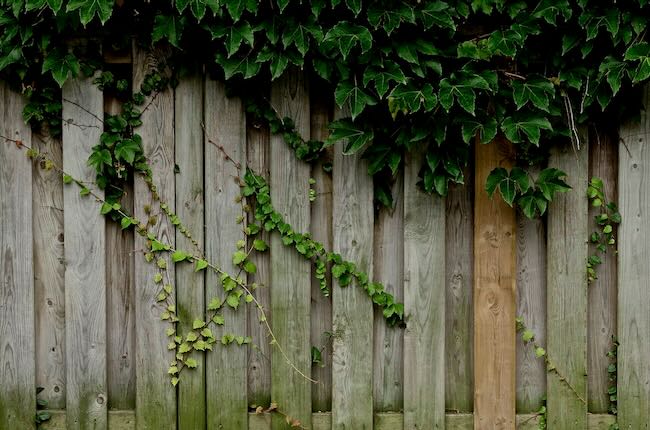
Michael: No, I just realized that I didn’t have any interest in the big highlights anymore, so I went out to my backyard which had nothing. It had a garden, some grass, the back of my house, the front of my garage, and a fence. I thought if I looked and looked that I might discover the nature of perception
Julie: So did you take photographs when you were looking? What were you seeing that you photographed?
Michael: Mostly it was grass, a garden, a garage, the back of the house with bricks and windows. I knew if I was going to see anything, I would have to look deeply.
Looking back, basically I was doing what we now call The Practice of Transcending Boredom..
Julie: How did you know what looking deeply meant at that point? We are talking about a long time ago.
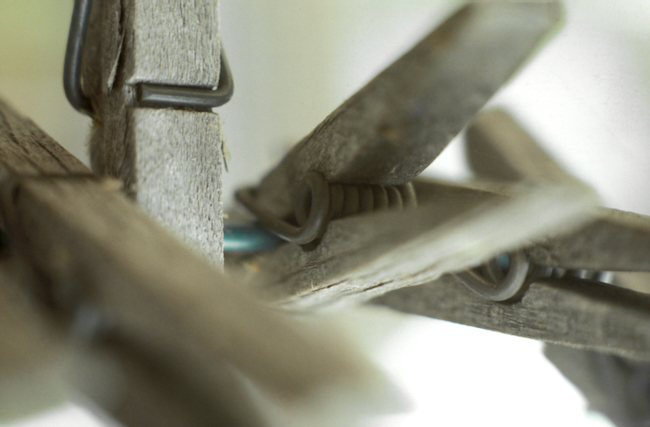
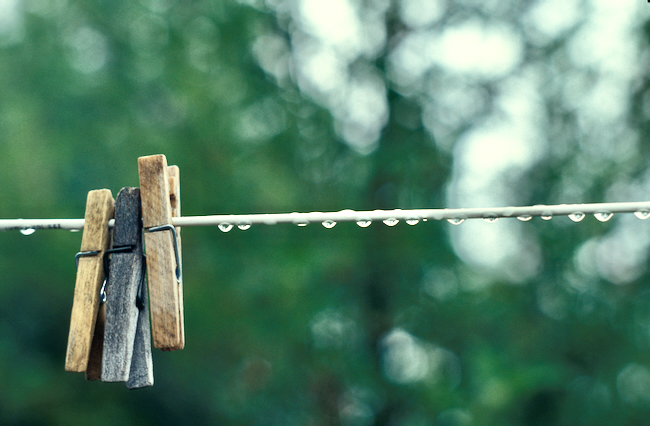
Michael: I had had flashes of perception even back in 1977 and I have the images; (see above) the red mailbox, a swing in the back yard in the snow, a clothes pin on the line, they all arose in my mind out of absolutely nowhere. They came in and struck me, moved me deeply. I experienced a sense of connecting deeply with something that I had never seen before. But at this time, those experiences were random.
Six Months in the Backyard 1980
I didn’t know how to deal with it, how to begin, except to take a stab at it, and the stab I took was to start going out to my backyard trying to see. My instinct was to use the model of meditation—don’t move, stay still.
I didn’t go looking for something or somewhere special.
I stayed in that familiar environment and I looked and I looked and I looked—because it really offered nothing.
That was my training.
I had a little sidewalk that went from the house to the garage and I looked at every single aspect of that sidewalk over six months.
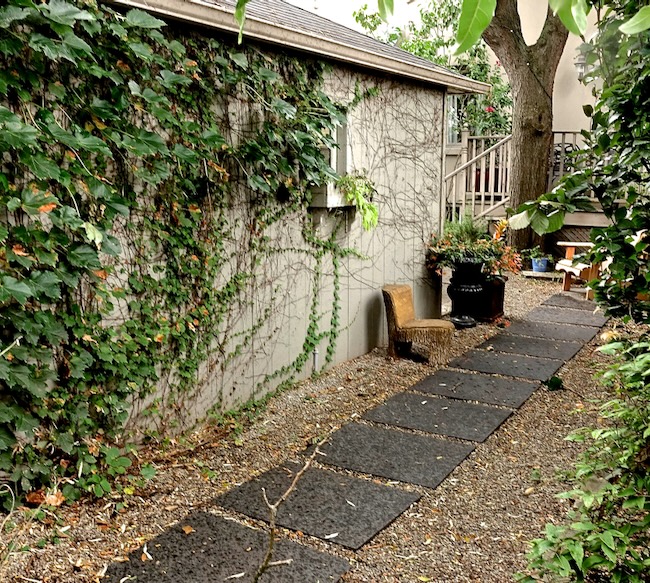
And I shot it and shot it. Every day it was different.
Julie: So your discipline was to keep coming back to the same thing and looking at it again,
Michael: Absolutely.
Julie: And then how did you know when you were seeing it fresh?
Michael: Once it started happening, I could feel that. Because when you lose your grasp of what you think you are seeing and you know this is nothing you have ever seen before, it penetrates you and you realize that you have gone beyond boredom. You see, I had to get back to some sort of ground Zero. If I had gone to the laneway first I would have just made pretty pictures of interesting things.
18 Months in the Laneway 1981 – 1982
Michael: When I went to the back laneway I honestly was still in a kind of mindful walking meditation. The laneway was four blocks long. So I would go out through the garage, shut the door, and start walking. I would walk and walk. All I was trying to do was keep my feet on the ground, my mind in the moment, and my eye on what was happening. This went on for 18 months, a year and a half, everyday walking meditation, walking, camera, eye, mind synchronizing.
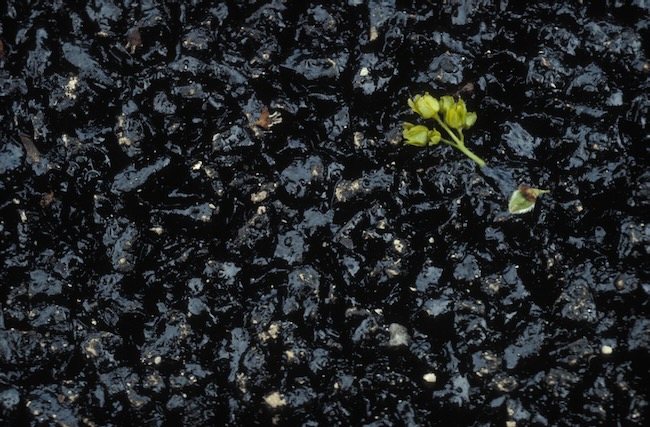
The things that created synchronization of my eye with my mind were, to begin with, primarily texture. Texture was the first thing I started noticing. Then I starting noticing light, then color, then pattern.
Mostly my memory is that after I left the backyard and went to the laneway and started walking, the first thing I noticed was form before labels.
I wasn’t thinking anything. I wasn’t thinking “This is it, now I understand it”. It wasn’t like that. I could see somebody’s garage door as form and the thought that it was somebody’s garage door didn’t come up in my mind.
Julie: So you had an experience of non-thought first.
Michael: Absolutely, raw non-thought. But then if I looked at the door and if I was going to photograph it, I started honing in more and looking more deeply, and suddenly what really started manifesting was the patterns.
If you are going to take a photograph and express your experience, it can’t just be a big door, because everybody’s going to say, “What’s so special about garage doors? Well, look at this, it’s two separate garage doors. “

I began to intuitively break down the experience of the form. Sometimes I would see the garage doors as color, sometimes as light, texture, or whatever, sometimes it was a moment. It was all kinds of things.
I spent the next 18 months in the laneway behind the house. I had two young children and after school we would walk up and down the laneway, and they would entertain themselves while I was looking. I took hundreds of rolls of film.
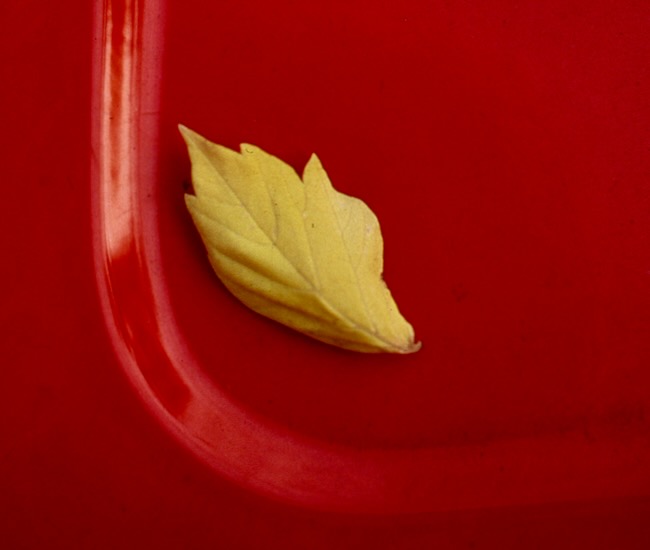


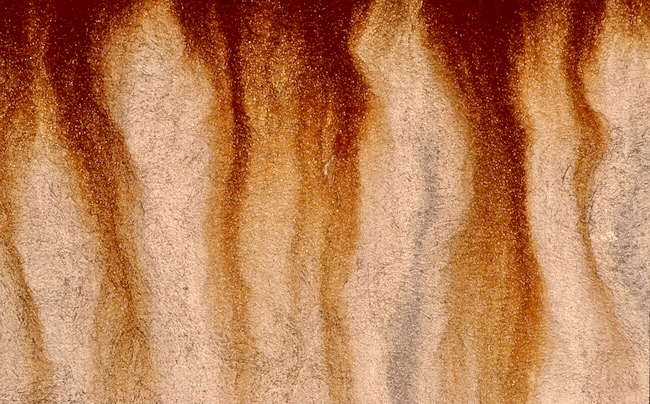
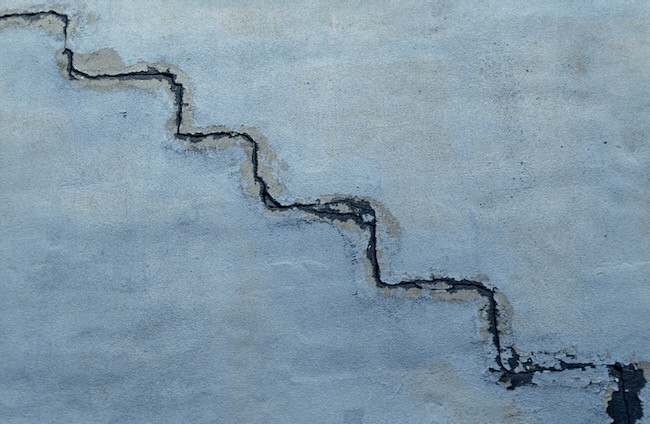



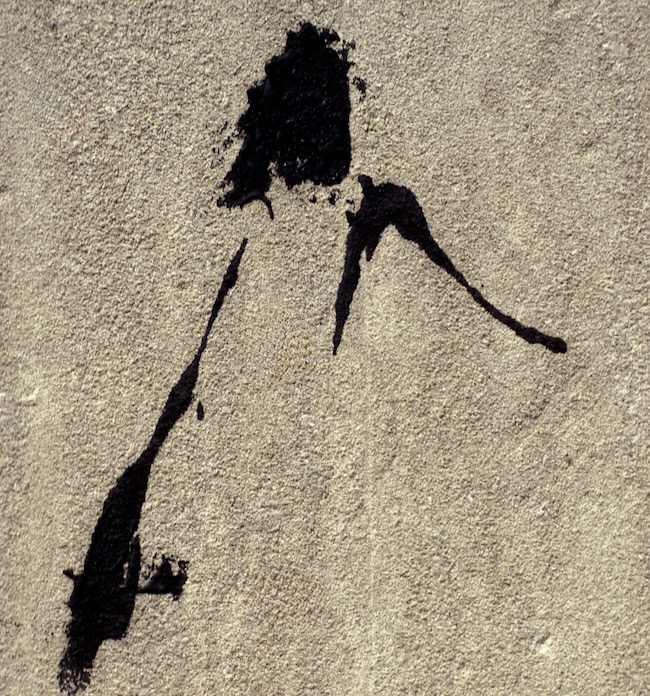
My children quickly tuned into what I was doing. They didn’t have any problem seeing at all. My daughter Sarah was five and she was shooting pictures that were very simple and direct with her little Instant camera, like this one:

One of the strongest experiences I had during this time was with my son Ben, who was three years old.
One day he was running up ahead and then came back and found me. He said, “Daddy, I found something you’ll like.”
At the end of the laneway, lying on the street was a big maple leaf. It was completely smeared with gasoline, shimmering with all the colors of the rainbow—it was amazing.

What was more amazing was that he didn’t have any concept that gasoline on the leaf was a bad thing—he just saw a rainbow. That experience was very profound and showed me just how unburdened seeing could be.
This whole backyard/laneway period took two years. That time was really good for me because I was beginning to dissolve some of my filters. For me, the primary filter was photographic concept—what you “should” see. For some people, the reason they can’t see is that their internal dialogue is so strong. That wasn’t so much the main barrier for me. It was more that my eye had been prejudiced. Having been trained in a particular way, I had taken on the rules of composition and content. That was my main obstacle.
I didn’t have any sense of what I was supposed to look for. I didn’t have any assignments or anyone directing me. What I was doing was exposing myself to the world of form in its most basic aspects.
Before this period, the only thing interesting to me photographically was drama and how to manipulate things to appear to be more than they were. By going out to this laneway where there was dirt, old cars, fences and garages, my old eye didn’t see much, but my new eye started noticing form.
Later on, when I was asked to teach a contemplative photography course I went back to those slides and realized that what I had been seeing was color, light, texture, space, pattern and so on, but at the time, I didn’t have any conscious thought about those things. It was all “fresh or not fresh.”
That is what that whole period was about. The perceptions were fresh or not fresh, one-way or the other. Later I realized that the seeing fresh part is really not about seeing fresh.
It is about waking up; it’s not about taking better photos. It’s about having a real experience of perception rather than a buffered experience.
It was the most joyful period in my life to that point. Seeing became a really deep passion. Anytime I had left over, I was out in the laneway. I could not wait to get out there and explore because I realized how fresh the world could be, free of conceptual glue. It was just wonderful.
2016 RETURN TO THE BIRTHPLACE OF MIKSANG

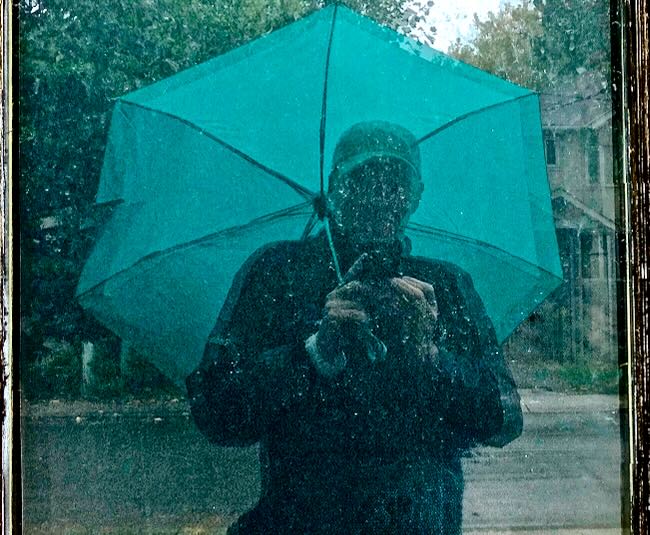
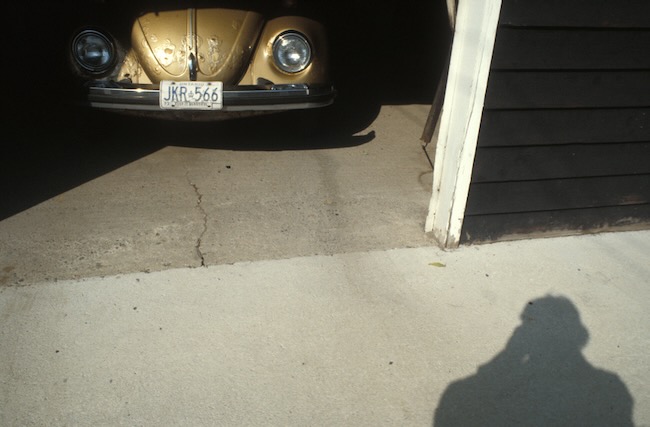
In 2016, I returned to the so-called birthplace of Miksang as we know it – the laneway in North Toronto where I spent 1981 and 1982. I began by looking into the front door of the home we used to occupy, and then photographing my reflection. It was all a bit hard to recognize the whole thing, as the home we lived in when the children were young had been completely torn down and rebuilt.
The laneway, which is three or four blocks long, had not changed all that much. You would never know that 35 years had passed.
On my walk today I did have a lot of memories and realizations. First of all, as I have said many times to many people, I was totally on my own. It was a lonely journey. There was no one there.
I had not yet met one of my Buddhist teachers, who during a ceremony in which I became a Buddhist, gave me the name Miksang which means “Good Eye”. I had no Miksang friends or students at that time as I did not share or teach Miksang until 1983.
On the day of my return to where it all started, I realized that this laneway was not all that special, it just happened to be the one I was in. It could have been any laneway anywhere.
The birth of Beginner’s Mind was the only special thing happening.
On the other hand, it did offer all the components of the Miksang levels to explore. When I look at the images from that time and the images from today, I can clearly see the origins of all the Miksang Levels, although they were not consecutive or linear as they are presented now. They arose in a much more random fashion.
There was certainly a lot of emphasis on the aspects of form which we, at some point, begin to call Opening the Good Eye. This was the way I dismantled photographic templates. There was a lot of Space and Simplicity mixed in from the beginning. There was Making Contact which arose from so much inner stillness and paying deep attention to my experience. I remembered how much patience and stillness I developed during that period. There was much more Heart of Perception than I remembered. It was present from the beginning. And the Cutting Loose mind was also mixed in from the very beginning. During this period I explored and developed the entire Miksang curriculum as it is today.
When I returned I remembered how it all unfolded. It was all unified into one mind of seeing.
In the end of this journey, it is all unified into one mind of seeing again.
Another realization I had was that there were no people involved for a number of years. There were no people or events on the laneway to photograph. People began to appear as subject matter in the early to mid 1990’s. It is hard to photograph people until there is a lot of stillness and stability of mind and eye. It is remarkable to me that photographing people was not involved in those early years of developing Miksang. That was because during the entire 18 months of exploring the laneway, I never saw another person. It was very peaceful.
So, that was today. It was wonderful. It was also filled with a lot of sad joy with many memories of the wonder of discovering something so fresh and awake in such an ordinary place.
I miss the simplicity of that journey, and I am grateful that it has given us a way to teach and inspire our students to appreciate their ordinary world.
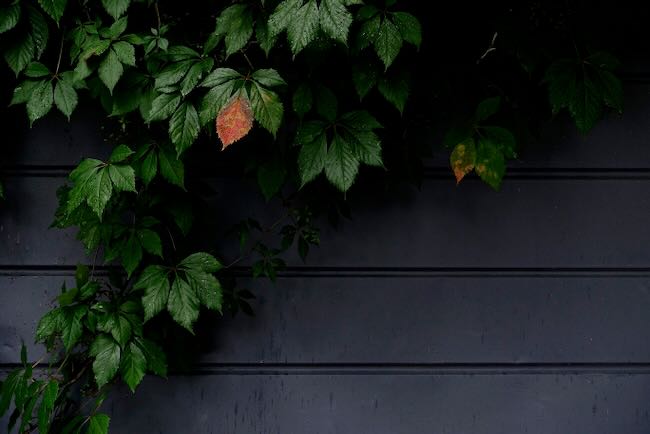
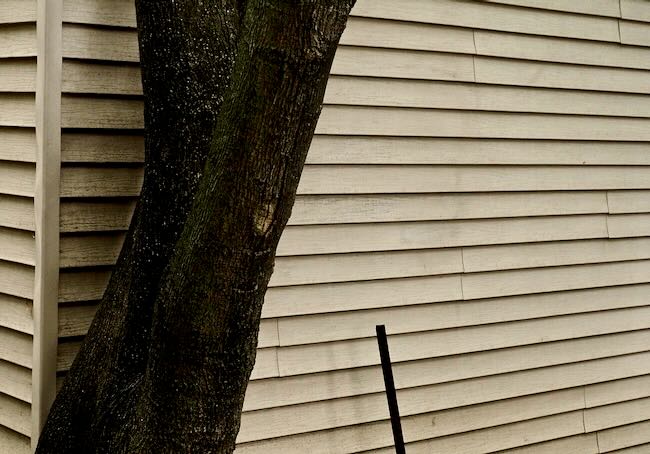
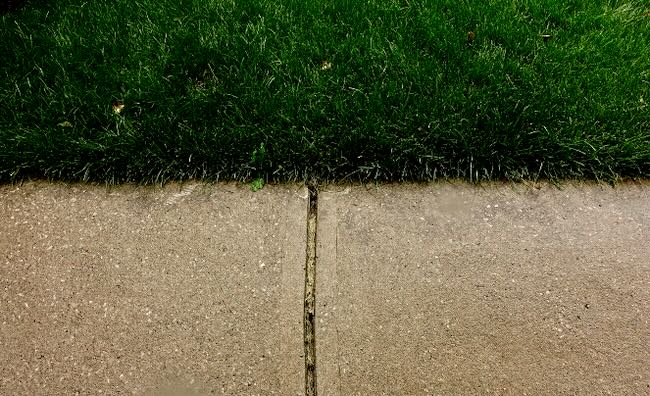
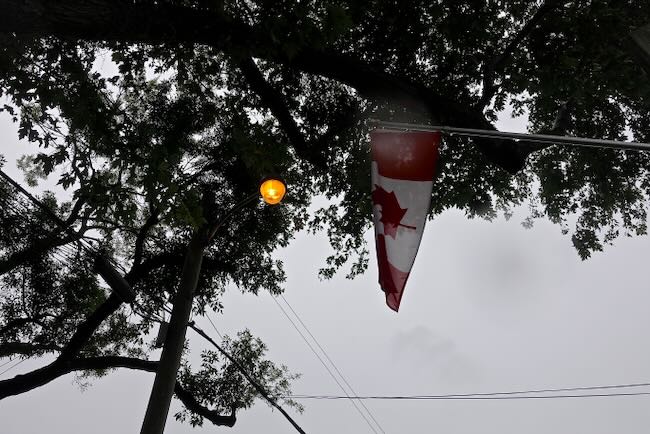
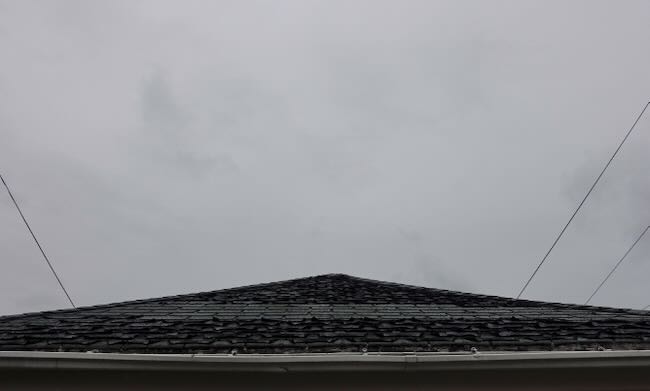
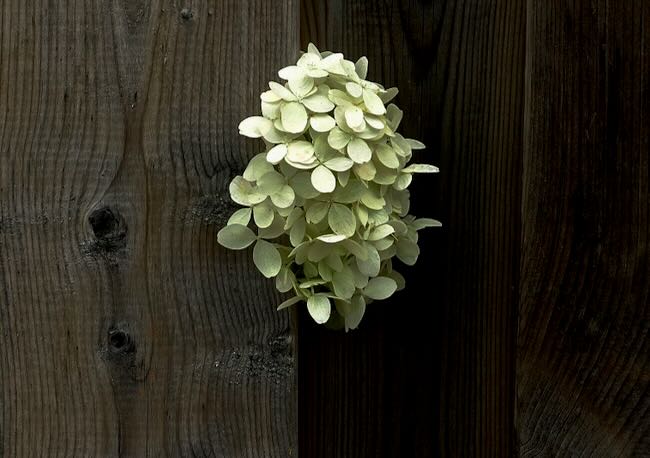
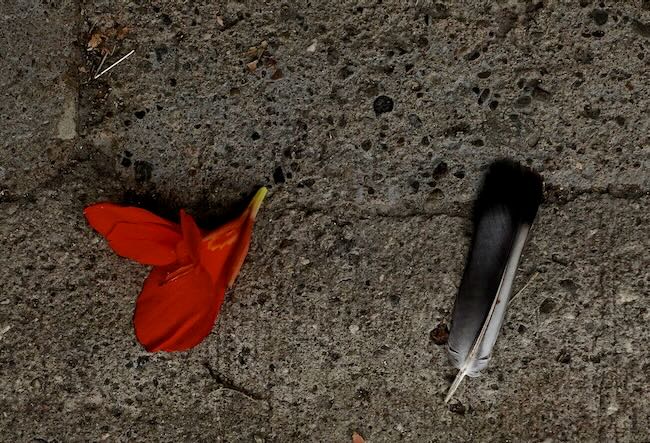
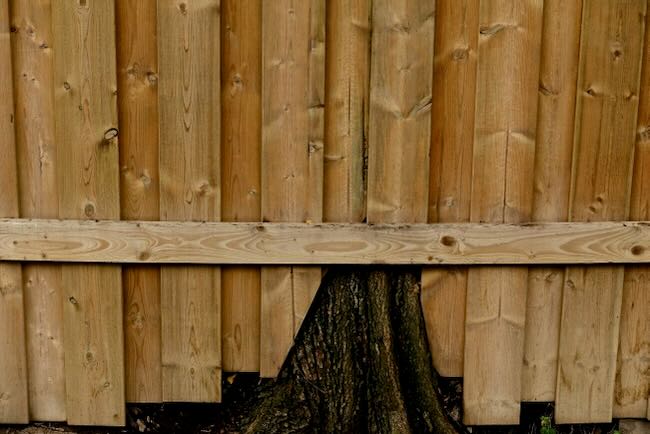
Here are some images I took that day in 2016.